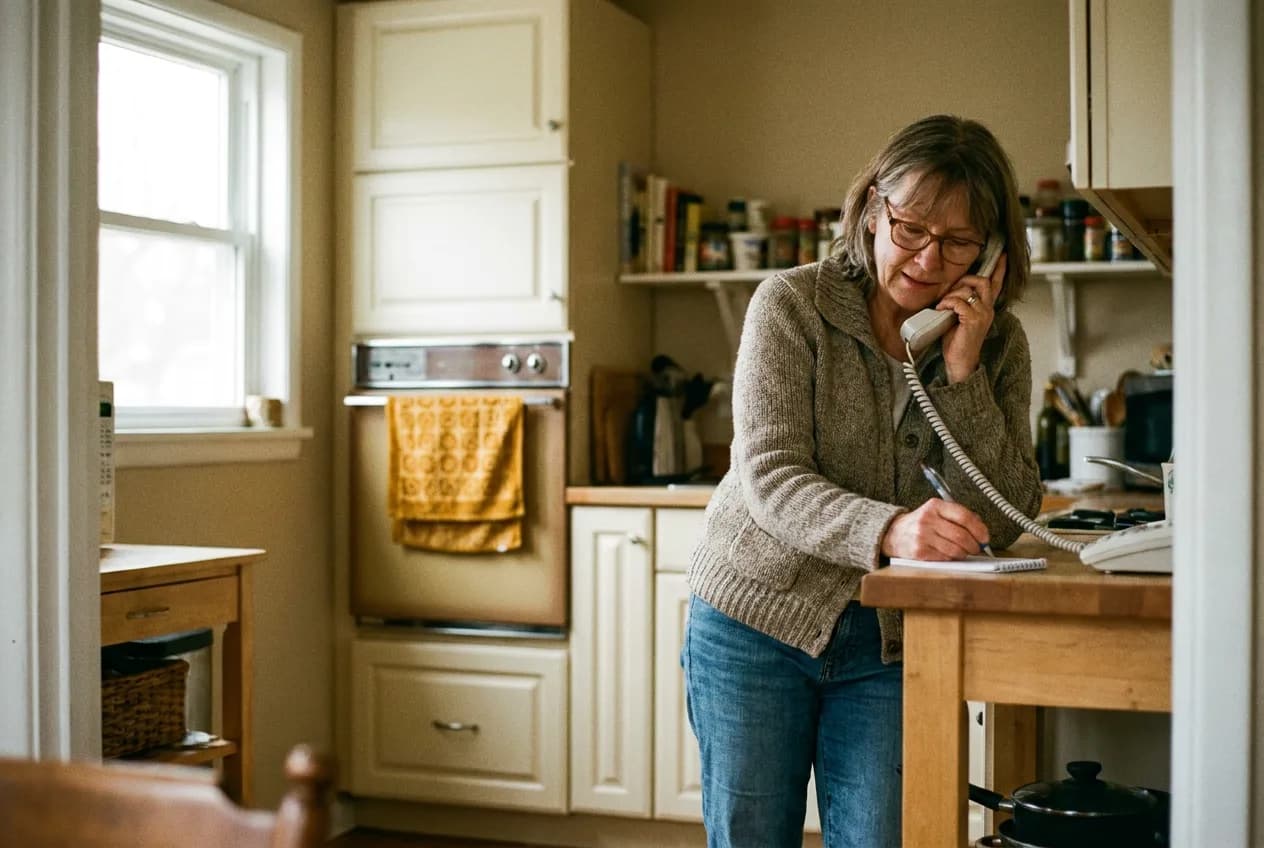
What caregiver support is available
Caregiver support comes from three places: federal programs run locally, state programs, and nonprofit caregiver organizations. Most of it is free or low-cost, and most families never hear about it until a crisis. This guide collects the main resources for caregivers in one place.
It helps to know the difference between two kinds of help. Caregiver support programs help you keep going — counseling, training, respite and sometimes reimbursement for costs. Medicaid caregiver programs can pay you a wage for the care you give. They're separate, and many families qualify for both. For the second kind, read how to get paid to care for a family member.
The National Family Caregiver Support Program
The National Family Caregiver Support Program (NFCSP) was created by the Older Americans Act Amendments of 2000. It is funded through the U.S. Administration for Community Living and delivered by states working with local Area Agencies on Aging. It offers five types of services:
- Information about services available to caregivers.
- Assistance gaining access to those services.
- Individual counseling, support groups and caregiver training to help with decisions and problem-solving.
- Respite care, so caregivers can take a break.
- Supplemental services, on a limited basis, to complement the care family members give.
Who it serves: adult family members and other unpaid caregivers who look after someone 60 or older, or someone of any age with Alzheimer's disease or a related disorder, and older relatives (not parents) 55 or older who are raising a child. How much is available varies by county, because each Area Agency on Aging decides how to spend its share.
To reach the family caregiver support program where your relative lives, call the Eldercare Locator at 1-800-677-1116 or use its website. It will connect you to the right Area Agency on Aging.
State caregiver support programs
Every state runs the federal program, and many add their own caregiver assistance programs on top. Here are five examples.
| State | Program | What it offers |
|---|---|---|
| Pennsylvania | Caregiver Support Program, through local Area Agencies on Aging | A care manager, respite, and reimbursement of some caregiving costs — up to $600 a month, plus up to $5,000 lifetime for home modifications and assistive devices, based on a sliding scale |
| Maryland | Maryland Family Caregiver Support Program, overseen by the Maryland Department of Aging | Information, access help, counseling, training and respite through local Area Agencies on Aging |
| Massachusetts | Massachusetts Family Caregiver Support Program, through local Aging Services Access Points (ASAPs) | Free Family Caregiver Specialists who help you plan, find services, get training and counseling, join support groups and arrange respite |
| North Carolina | NC Family Caregiver Support Program, through 16 Area Agency on Aging regions; Project C.A.R.E. for dementia caregivers | Information, counseling, support groups, training and respite; Project C.A.R.E. adds dementia-specific consultation and respite |
| New Jersey | Statewide Respite Care Program, NJ Division of Aging Services | Respite for unpaid caregivers, with income and asset limits and a sliding-scale fee. Call 1-877-222-3737 |
The Maryland Family Caregiver Support Program and the Massachusetts Family Caregiver Support Program both follow the federal model closely. The NC Family Caregiver Support Program serves caregivers age 18 and older caring for someone 60 or older or someone with dementia, plus older relatives raising children. Pennsylvania's program is unusual in reimbursing out-of-pocket costs directly, which makes it one of the few state programs offering real financial assistance for caregivers.
Other states run a similar family caregiver assistance program under a different name. Your Area Agency on Aging will know yours. See your state page for the Medicaid programs too — for example Maryland's caregiver programs or North Carolina's.
California Caregiver Resource Centers
California runs a network of 11 nonprofit Caregiver Resource Centers that together cover every county. Each caregiver resource center helps families caring for adults with conditions like dementia, stroke, Parkinson's, multiple sclerosis or brain injury. Services include counseling, care planning, legal and financial consultation and respite, at low or no cost.
The California Caregiver Resource Centers are separate from IHSS, the state program that can pay a family caregiver. Many families use both. See IHSS and caregiver pay in California, or local pages like Los Angeles County and San Diego County.
VA caregiver benefits for veterans' families
If the person you care for is a veteran enrolled in VA health care, the VA Caregiver Support Program has two parts:
- Program of General Caregiver Support Services (PGCSS) — skills training, peer support mentoring, coaching and referrals, for caregivers of veterans of any era.
- Program of Comprehensive Assistance for Family Caregivers (PCAFC) — for eligible veterans with a serious service-connected injury, including a VA rating of 70% or more. It can include a monthly stipend, health insurance for the caregiver, mental health counseling and respite.
People sometimes search for a "VA home care assistance program"; the official programs are the two above, plus VA home care and respite services for the veteran. VA respite care covers up to 30 days a year for veterans who need it. Call the VA Caregiver Support Line at 1-855-260-3274 (Monday to Friday, 8 a.m. to 8 p.m. ET) or visit caregiver.va.gov.
The VA caregiver benefit is one of the few that pays a stipend directly to a family caregiver outside Medicaid. For most other families, Medicaid is the route to pay.
Find out in 2 minutes
Answer 5 easy questions. See your programs and pay before you share any contact info.
Caregiver support groups
A caregivers support group is where many people first hear about programs that help, and where they feel less alone. Groups meet in person, by phone and online. Some are general; others focus on dementia, cancer, stroke, Parkinson's or caring for a spouse.
To find support groups for caregivers of elderly parents near me, start here:
- Your Area Agency on Aging — many run or list local groups as part of the family caregiver support program.
- The Alzheimer's Association — groups for dementia caregivers across the country, and a helpline that can point you to one.
- Hospitals and health systems — many host groups for families of patients.
- Faith communities and senior centers.
Support for caregivers of elderly parents doesn't have to be formal. A standing weekly call with a friend who's been through it counts too.
Caregiver helplines and hotlines
When you need an answer now, call. These are verified numbers from each organization's own site:
| Helpline | Number | What it's for |
|---|---|---|
| Eldercare Locator (Administration for Community Living) | 1-800-677-1116 | Connects you to your local Area Agency on Aging and services; you can also text, chat or email |
| VA Caregiver Support Line | 1-855-260-3274 | Caregivers of veterans; Monday to Friday, 8 a.m. to 8 p.m. ET |
| Alzheimer's Association Helpline | 800-272-3900 | Dementia questions and support, 24 hours a day, every day |
| NJ Aging and Disability Resource Connection | 1-877-222-3737 | New Jersey's statewide respite program and other caregiver help |
A caregiver helpline is often the fastest way to find a caregiver resource center or program near you. If you're in crisis or worried about your own safety, call or text 988.
Caregiver counseling and care for caregivers
Caregiving is linked to stress, depression and poor sleep, and it's easy to put your own health last. Caregiver counseling is one of the five core services of the federal program, so ask your Area Agency on Aging what it offers — often a few free sessions with a counselor or a family caregiver specialist.
Care for caregivers also means practical help: training in safe transfers, help planning for the future, and regular breaks. Respite is the single most requested service; see our respite care guide for how to get it and pay for it.
Financial assistance for caregivers
Government assistance for caregivers of elderly parents comes in a few forms. Only some of it is a wage:
| Source | What it pays | Read more |
|---|---|---|
| Medicaid self-directed programs | An hourly wage or stipend to a family caregiver, in every state | Medicaid family caregiver programs |
| VA PCAFC | A monthly stipend for eligible veterans' caregivers | caregiver.va.gov |
| State caregiver programs | Reimbursement for some costs, such as Pennsylvania's | Your Area Agency on Aging |
| NFCSP supplemental services | Limited help with supplies or services | Your Area Agency on Aging |
| Long-term care insurance | Depends on the policy | Cost of in-home care |
If you're looking for real income, Medicaid is the main route: the person you care for qualifies, chooses you as their caregiver, and the program pays you. Reported pay runs from about $11 to $29 an hour in states that pay hourly. See family caregiver pay rates or check eligibility. Medicare, by contrast, does not pay family caregivers — see does Medicare pay family caregivers.
| State | Programs that can pay a family caregiver | |
|---|---|---|
| Alabama | Personal Choices, E&D Waiver, ACT Waiver, SAIL Waiver | Alabama program → |
| Alaska | Personal Care Services (PCS), Community First Choice (CFC), Children's waivers (CCMC & IDD) | Alaska program → |
| Arizona | ALTCS self-directed care, Agency with Choice, Parents as Paid Caregivers (PPCG) | Arizona program → |
| Arkansas | IndependentChoices, ARChoices in Homecare | Arkansas program → |
| California | IHSS (In-Home Supportive Services) | California program → |
| Colorado | CDASS, IHSS, Family CNA program | Colorado program → |
| Connecticut | Adult Family Living (AFL), Community First Choice (CFC), PCA Waiver, CT Home Care Program (CHCPE) | Connecticut program → |
| Delaware | DSHP-Plus self-directed care | Delaware program → |
| District of Columbia | EPD Waiver — Services My Way | District of Columbia program → |
| Florida | SMMC-LTC Participant Directed Option, CDC+, Family Home Health Aide (children) | Florida program → |
| Georgia | Structured Family Caregiving (SFC), CCSP / SOURCE, NOW & COMP Waivers, GAPP (children) | Georgia program → |
| Hawaii | QUEST Integration self-direction | Hawaii program → |
| Idaho | A&D Waiver self-directed care, Personal Care Services (PCS), Certified Family Home | Idaho program → |
| Illinois | Community Care Program (CCP), Home Services Program (HSP), MFTD Waiver (children) | Illinois program → |
| Indiana | Structured Family Caregiving (SFC), Attendant Care (PathWays & H&W Waivers) | Indiana program → |
| Iowa | Consumer Choices Option (CCO), CDAC (agency-delivered) | Iowa program → |
| Kansas | Frail Elderly Waiver, Physical Disability Waiver, Brain Injury Waiver, Technology Assisted Waiver (children) | Kansas program → |
| Kentucky | Participant Directed Services (PDS), HCB Waiver, Michelle P. Waiver | Kentucky program → |
| Louisiana | Community Choices Waiver, Monitored In-Home Caregiving (MIHC), Children's Choice Waiver | Louisiana program → |
| Maine | Consumer Directed Attendant Services (Section 12), Home & Community Benefits (Section 19), Family Home Health Aide (children, 2026) | Maine program → |
| Maryland | Community First Choice (CFC), CPAS, Community Options Waiver, DDA Waivers (children) | Maryland program → |
| Massachusetts | PCA Program, Adult Foster Care (AFC), Frail Elder Waiver | Massachusetts program → |
| Michigan | Home Help Program, MI Choice Waiver | Michigan program → |
| Minnesota | CFSS, CDCS, Elderly Waiver | Minnesota program → |
| Mississippi | Elderly & Disabled Waiver (agency only), Independent Living Waiver | Mississippi program → |
| Missouri | Consumer Directed Services (CDS), Structured Family Caregiving Waiver | Missouri program → |
| Montana | Big Sky Waiver (self-directed), Community First Choice & PCS | Montana program → |
| Nebraska | Personal Assistance Services (PAS), Aged & Disabled Waiver | Nebraska program → |
| Nevada | Personal Care Services (self-directed), Structured Family Caregiving Waiver | Nevada program → |
| New Hampshire | Choices for Independence (CFI) Waiver, PCAS, In-Home Supports Waiver (children) | New Hampshire program → |
| New Jersey | Personal Preference Program (PPP) | New Jersey program → |
| New Mexico | Turquoise Care Self-Directed Community Benefit, Mi Via Waiver | New Mexico program → |
| New York | CDPAP | New York program → |
| North Carolina | CAP/DA (consumer-directed), Coordinated Caregiving, CAP/C (children) | North Carolina program → |
| North Dakota | HCBS Waiver — Family Personal Care, Qualified Service Provider (QSP), Family Paid Caregiver Pilot (children) | North Dakota program → |
| Ohio | PASSPORT Waiver, Structured Family Caregiving, Next Generation MyCare, Ohio Home Care Waiver | Ohio program → |
| Oklahoma | ADvantage Waiver — CD-PASS | Oklahoma program → |
| Oregon | Independent Choices Program (ICP), Spousal Pay Program, Consumer-Employed Provider program | Oregon program → |
| Pennsylvania | Community HealthChoices (CHC), Services My Way, OBRA Waiver | Pennsylvania program → |
| Rhode Island | Personal Choice Program, Independent Provider Program | Rhode Island program → |
| South Carolina | Community Choices Waiver (self-directed), Medically Complex Children Waiver | South Carolina program → |
| South Dakota | Structured Family Caregiving (HOPE Waiver) | South Dakota program → |
| Tennessee | TennCare CHOICES consumer direction, ECF CHOICES, Katie Beckett (children) | Tennessee program → |
| Texas | Consumer Directed Services (CDS), STAR+PLUS HCBS, CLASS & MDCP Waivers | Texas program → |
| Utah | DSPD Caregiver Compensation, New Choices Waiver, Aging Waiver | Utah program → |
| Vermont | Choices for Care (self-directed), Flexible Choices | Vermont program → |
| Virginia | CCC Plus Waiver consumer direction, LRI option (spouses & parents) | Virginia program → |
| Washington | Community First Choice (CFC), Medicaid Personal Care (MPC), Individual Provider (via CDWA) | Washington program → |
| West Virginia | Aged & Disabled Waiver — Personal Options | West Virginia program → |
| Wisconsin | IRIS, Family Care, Personal Care Services (PCS), CLTS Waiver (children) | Wisconsin program → |
| Wyoming | Community Choices Waiver (participant-directed) | Wyoming program → |
Home care support services and organizations
Home care support services help the person you care for directly, which takes pressure off you. Some states call their state-funded version a home care assistance program; Massachusetts, for instance, runs a State Home Care program through the same ASAPs that run caregiver support. In home care support can include an aide a few hours a week, meal delivery, transportation or a personal emergency response system.
Home care organizations — agencies and nonprofits — deliver most of this. For help choosing, read how to choose a home care agency and home care near me. In some states, like Pennsylvania and New Jersey, agencies can even hire a family member as the aide. Care support at home from an agency and support home care from family can work side by side: many families use an agency for weekdays and a paid family caregiver for evenings.
Other elderly home assistance programs include home-delivered meals, energy assistance, home repair grants and senior companion programs, most reachable through the same Area Agency on Aging.
Caregiver organizations and caregiver information
Several national caregiver organizations publish reliable caregiver information and run programs:
- Administration for Community Living — the federal agency behind the NFCSP and the Eldercare Locator.
- Caregiver Action Network — a nonprofit that leads National Family Caregivers Month.
- ARCH National Respite Network — runs the National Respite Locator for finding respite services.
- Alzheimer's Association — dementia care information, support groups and the 24/7 helpline.
- Family Caregiver Alliance — caregiver education and the home of one of California's Caregiver Resource Centers.
For caregiver organizations near me, caregiver resources near me and caregiver support near me, local beats national: your Area Agency on Aging knows the groups, classes and programs in your county. Resources for caregivers of elderly parents are also listed on many county aging office websites.
National Family Caregivers Month
November is National Family Caregivers Month in the United States, marked each year by a presidential proclamation and led by Caregiver Action Network. It's a good moment to check in on the caregivers you know — and, if you are one, to look into the help for caregivers listed on this page.
Many Area Agencies on Aging hold events, workshops and support group open houses during the month. Help for caregivers of elderly parents is available all year, though.
Where to go next
Frequently asked questions
What is the National Family Caregiver Support Program?
A federal program created in 2000 under the Older Americans Act. It funds information, help accessing services, counseling, support groups, training, respite and limited supplemental services for unpaid family caregivers, delivered through local Area Agencies on Aging.
Who is eligible for family caregiver support?
Adult family members and other unpaid caregivers who care for someone 60 or older or someone of any age with Alzheimer's disease or a related disorder, and older relatives 55 or older raising a child. State programs may have their own rules.
Does the government pay family caregivers?
Yes, mainly through Medicaid. Every state has at least one Medicaid program that can pay a family member to be the caregiver. The VA also pays a stipend to caregivers of some veterans. Support programs like the NFCSP rarely pay a wage.
How do I find caregiver support near me?
Call the Eldercare Locator at 1-800-677-1116 or visit eldercare.acl.gov. It will connect you to your local Area Agency on Aging, which runs the family caregiver support program and knows local support groups.
Is there a caregiver hotline?
The Eldercare Locator (1-800-677-1116) and the VA Caregiver Support Line (1-855-260-3274) help caregivers find services. The Alzheimer's Association Helpline (800-272-3900) is open 24 hours a day.
When is National Family Caregivers Month?
November. It is recognized each year by presidential proclamation and led by Caregiver Action Network.
Can I get respite through the caregiver support program?
Yes. Respite is one of the five core services, although how much is available depends on your county's funding. Medicaid waivers and the VA can also pay for respite.
Sources: ACL: National Family Caregiver Support Program · Eldercare Locator · VA Caregiver Support Program · VA Geriatrics: Respite Care · Pennsylvania Department of Aging: Caregiver Support Program · NC DHHS: Family Caregiver Support Program · NJ Division of Aging Services: Statewide Respite Care Program · Massachusetts Family Caregiver Support Program fact sheet · Maryland Department of Aging: Caregivers · California Department of Aging: Caregiver Resource Centers · 988 Suicide & Crisis Lifeline · Alzheimer's Association 24/7 Helpline. Program rules and rates change — always confirm with the program. Reviewed September 30, 2026.